

Global freight rates in October 2026 remain high due to elevated fuel costs and disruptions.
For builders’ merchants, autumn is when stock planning for the spring landscaping season begins in earnest. This year, though, that planning is happening against a difficult backdrop.
Global freight rates in October 2026 remain high, driven by elevated fuel costs, continued shipping disruption in the Middle East and the Black Sea, and tight vessel capacity. Some segments have started to cool from their earlier peaks, but the overall cost of moving goods by sea is still well above normal. For a category as heavy and import-dependent as paving, that matters. In this update, Pave World sets out what’s driving the market, how it’s likely to affect your paving range, and the practical steps merchants can take to protect availability and margin heading into 2027.
Why Paving Is So Exposed to Freight Costs
A large share of the paving sold through UK merchants is imported. Natural stone paving such as Indian sandstone paving, slate and granite is quarried overseas, and much of the porcelain paving on the market is manufactured abroad. Paving is also among the heaviest products a merchant stocks. A container of stone or porcelain hits its weight limit well before it’s full by volume, so the freight cost per square metre is far higher than for lighter goods. When shipping rates rise, paving feels the impact sooner and harder than most of your yard.

What's Driving the Current Market
Elevated Fuel Costs
Marine fuel remains one of the biggest costs for carriers. While prices stay high, it continues to feed into base rates and fuel surcharges.
Middle East Disruption
Instability on key Middle East routes for long has pushed many vessels onto longer diversions. Longer voyages burn more fuel, raise insurance premiums and keep ships tied up for longer, which reduces the capacity available across the network.
Black Sea Disruption
The long ongoing disruption in the Black Sea continues to affect routing, insurance and trade flows, adding further strain to an already stretched system.
Tight Capacity
With vessels committed to longer rotations, there are fewer sailings and less container availability to go round. Carriers have more pricing power, and booking flexibility is reduced.
Some Easing, But Not Yet in the Yard
Some freight segments are starting to cool from their peaks, which is indeed an eager welcome. However, easing rates take time to filter through to landed costs, and stock already on the water or in UK warehouses was bought at earlier rates. Merchants shouldn’t expect an immediate drop in paving cost prices.
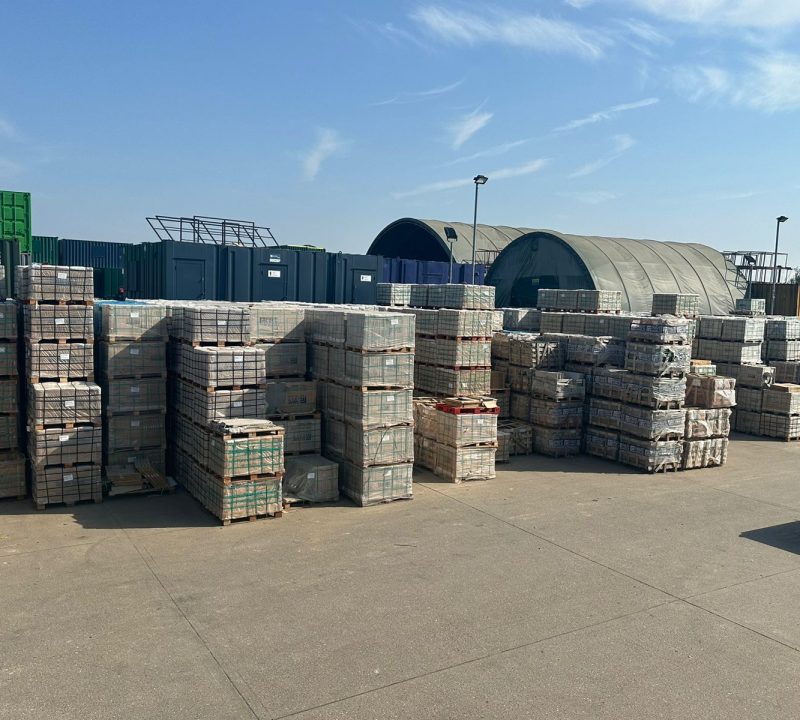
What This Means for Merchants
- Cost prices are likely to stay firm in the near term. Higher landed costs across the supply chain make sharp reductions unlikely in the short run.
- Lead times are less predictable. Diversions and tight capacity can mean longer transit times and occasional slippage on arrival dates.
- Core lines may run short between shipments. Fast-moving colours and sizes, such as grey porcelain and 900×600 formats, are most at risk of gaps.
- Batch continuity is harder to guarantee. Longer gaps between deliveries increase the chance that a customer’s top-up order comes from a different batch, which can mean awkward conversations at the trade counter.
- Pricing conversations with customers need care. Landscapers and homeowners are still price-conscious, so clear communication on lead times and price validity helps protect the relationship.
Practical Steps to Protect Availability and Margin
Plan Spring Stock Now
The spring rush is the period most exposed to supply delays. Placing orders through the autumn and winter gives you a buffer if shipments slip and helps secure core ranges before demand peaks.
Focus Stock on Proven Paving Sellers
Concentrate stock holding on the colours, sizes and finishes that turn reliably in your branches. A tighter, well-stocked core range is more resilient than a broad range with frequent gaps.
Prioritise UK-Landed Stock for Urgent Needs
Stock already in the UK isn’t exposed to sea freight delays. For short-notice customer orders or gap-filling, ask about products that are landed and ready for dispatch.
Keep Batch Information With Every Sale
Recording batch codes on invoices and encouraging customers to order 5–10% extra up front reduces mismatch complaints and repeat top-up problems later.
Review Price Validity on Quotes
With costs moving, consider shorter validity periods on paving quotes for larger projects, and be upfront with trade customers about lead times.
Have Alternatives Ready
If a first-choice range is between shipments, a comparable colour, finish or size that’s already in stock can keep a sale from walking out of the door. Knowing your like-for-like alternatives in advance makes this far easier at the counter.
Keep Talking to Your Supplier
Freight conditions are changing week to week. Regular contact with your supplier gives you earlier sight of arrival dates, availability and any cost changes, so you can plan rather than react.
How Pave World Can Help
We know merchants need reliability above all. Speak to the Pave World team to:
- Check current UK stock and expected arrival dates
- Plan forward orders for the spring season
- Discuss suitable alternatives when a range is between shipments
- Get batch information to pass on to your customers
Frequently Asked Questions (FAQs)
Elevated fuel costs, shipping disruption in the Middle East and the Black Sea, and tight vessel capacity are keeping rates above normal, although some segments have started to cool from earlier peaks.
Much of the paving sold in the UK is imported, and because it’s so heavy, containers reach their weight limit before they’re full. That makes freight a larger share of the landed cost per square metre than for lighter products.
Possibly over time, but not immediately. Stock already in transit or in UK warehouses was bought at earlier rates, and any easing takes time to work through the supply chain.
The earlier the better. Ordering through the autumn and winter gives you a buffer against delays and helps secure core ranges before the spring rush.
Offer a comparable in-stock alternative in a similar colour, finish or size, and give customers a realistic arrival date for the original range. Your supplier can help you identify suitable substitutes.
Plan Ahead With Pave World
The freight market may be still under a turbulent phase, but with early planning and close communication, merchants can keep their paving ranges stocked and their customers happy through the 2027 season. Get in touch with the Pave World team to discuss your stock requirements and forward orders. Email us at info@paveworld.co.uk or call us at 01375 855678.