
Porelain Paving Slab Sizes that Sell: What Merchants Should Really Be Stocking This Season
Size Isn't Just Aesthetic. It's a Sales Lever.
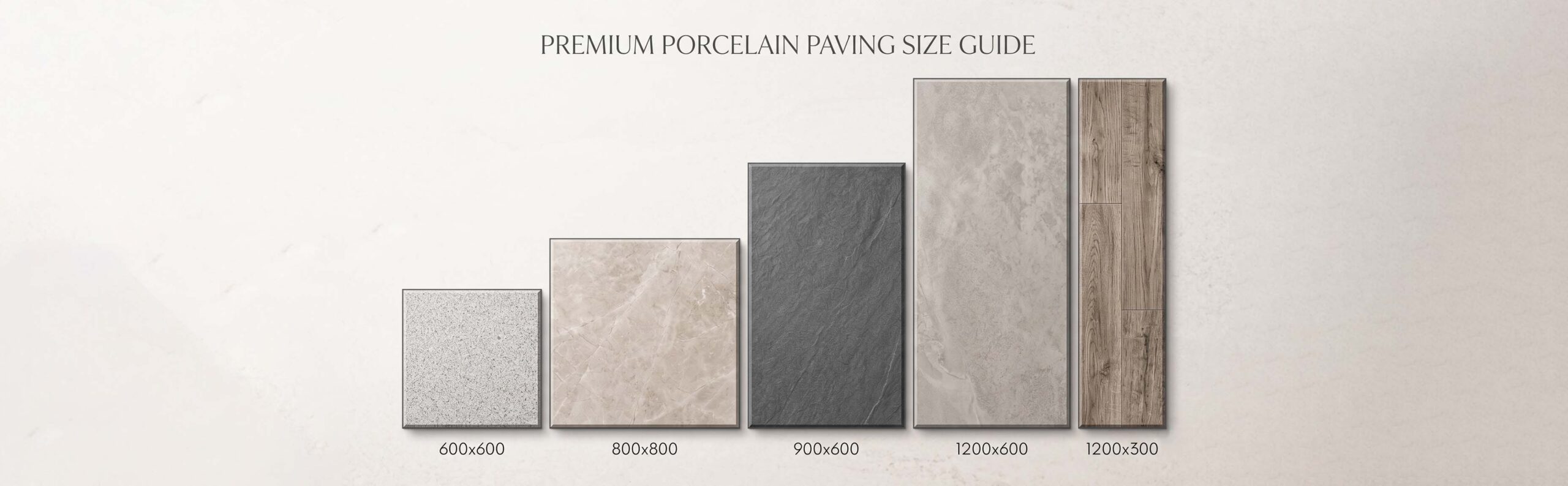
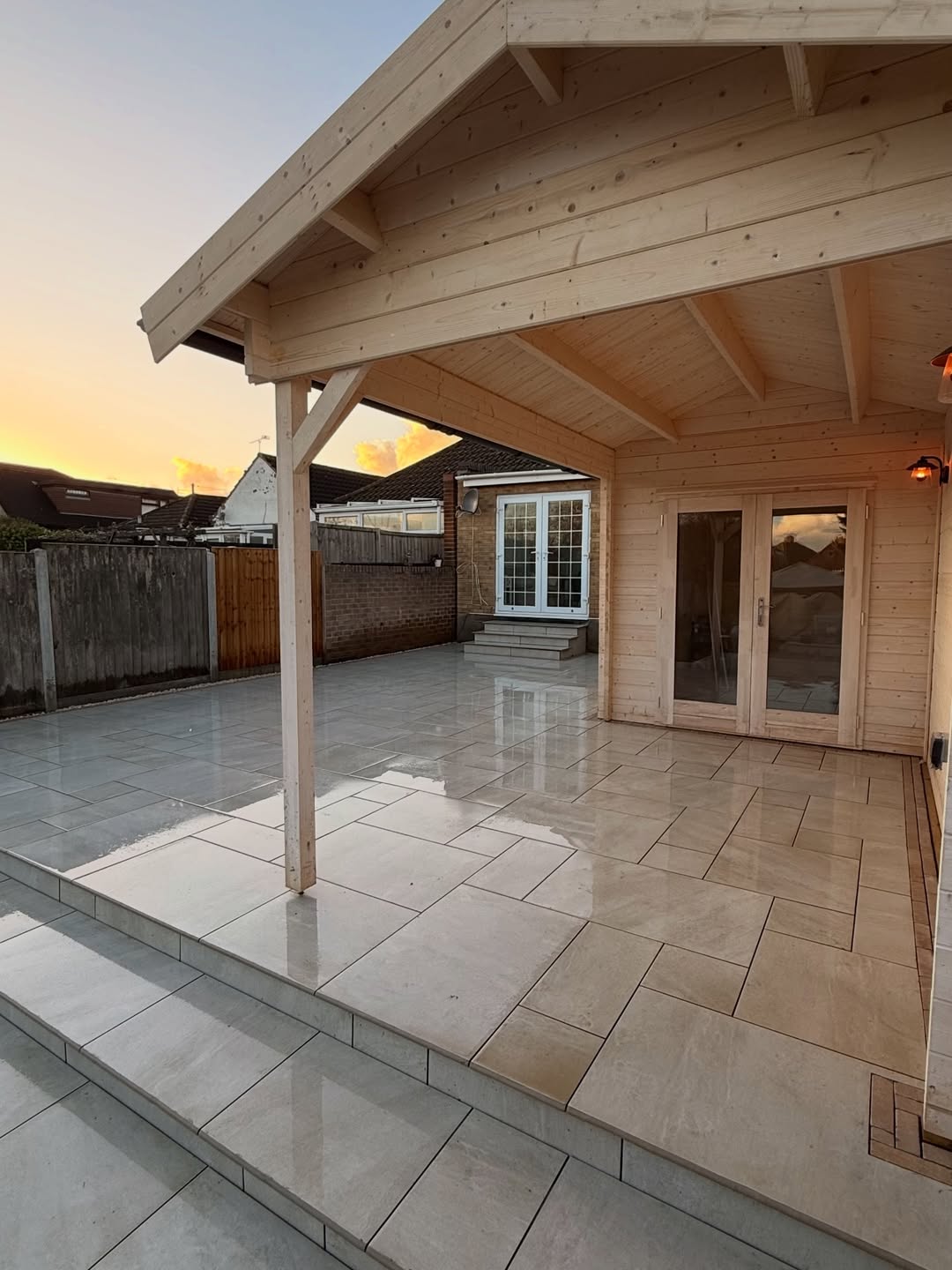
- Large-format porcelain (900x1200mm) reads as premium, low-maintenance, contemporary. Fewer joints, cleaner lines, bigger perceived space. This is what’s pulling customers away from the standard sizes on price-conscious projects.
- Mid-format (900x600mm, 600x600mm) is still the workhorse. Easy to lay, forgiving on tricky gardens, and the safest recommendation for a tradesperson who doesn’t want a comeback call.
- Plank paving (1200x295mm) answers the linear, timber-look brief that’s grown steadily in patio and pathway designs — the plank-format porcelain that’s worth its own space on the yard offering a distinct look from square-format porcelain.
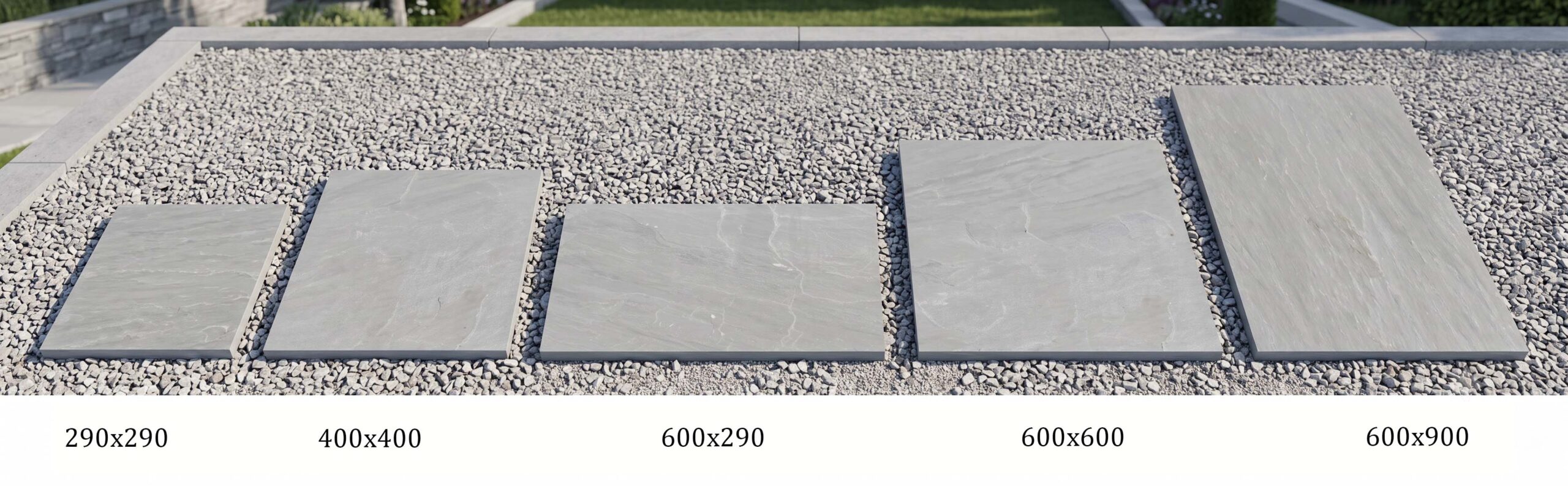
- Small-format and modular packs aren’t a downgrade — they’re the answer for courtyards, edging, and the DIY market that’s grown steadily on smaller budgets.
- Mixed-size packs solve the indecisive customer. Let them lay a random pattern and you’ve turned a size question into a design feature, not a compromise.
Know Your Formats: The Reference Most Counters Skip

- Porcelain Paving typically is 20mm thick for exterior use. It’s lighter than natural stone slab-for-slab, which matters for DIY customers carrying it themselves and for tradespeople doing multiple lifts a day. Common sizes: 600x600mm, 900x600mm, 800x800mm, 900x1200mm.
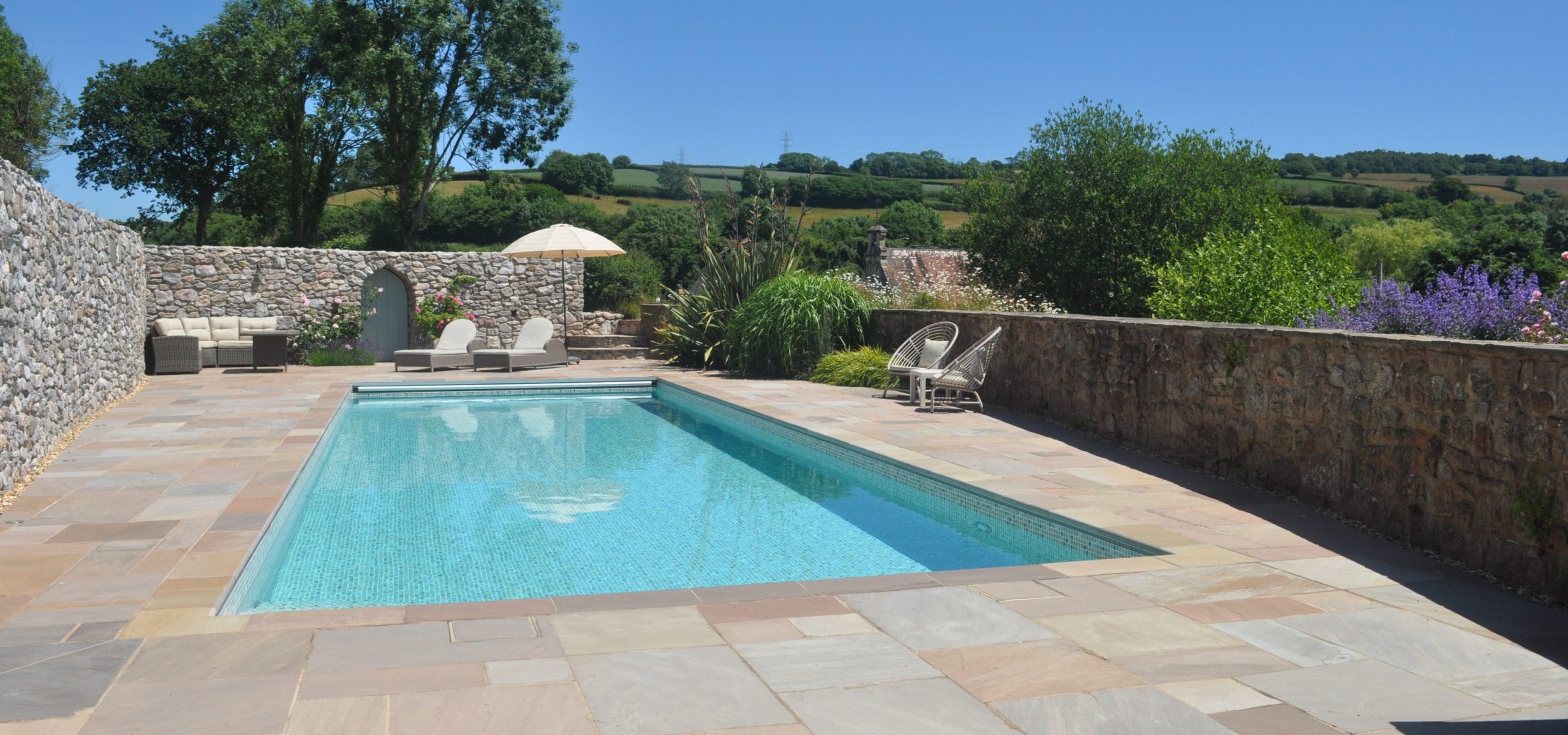
- Natural stone Paving (Indian sandstone, limestone, granite) tends to run — 22mm thick and is usually sold in both single sizes and project or patio packs which combines several sizes (often a mix of 600×600, 600×300, 900×600 and 900x900mm).
- Modular and small-format slabs (300×300 to 400x400mm) are the go-to for pathways, tight courtyards, and edging work where large-format simply won’t fit the space.
- Outdoor thickness matters more than customers expect. UK freeze-thaw conditions mean exterior porcelain needs to be around 20mm thick — noticeably more than an indoor-rated tile.
- Slip rating changes outdoors, too. Exterior paving should carry a minimum R11 slip rating, well above the R9–R10 that’s fine for a dry indoor floor.
- Large-format means two-person handling. Slabs at 600mm or above in one dimension commonly weigh 25kg or more. This premium format offers low-maintenance, contemporary looks with fewer joints, cleaner lines, bigger perceived space.
- Coverage and wastage: a good rule of thumb to quote customers is 5–10% extra on top of the measured area for cuts and breakage — more if the layout involves curves, steps, or a lot of border work.
Having this at hand means your team can match a customer to the right format — and the right expectations — on the first conversation, rather than defaulting to whatever’s easiest to reach on the yard.
A Quick Check list: Is Your Yard Stocked for What's Actually Selling?
✅ What size did we quote most often last month — and is it what we’ve got the most of on the yard right now?
✅ Are we holding stock in a format because it’s popular, or because a minimum order tied us into it?
✅ If a large trade job landed tomorrow needing 400m² in one format, could we fulfil it without a six-week wait?
✅ Are we turning away smaller, mixed-format orders because our supplier only deals in pallet-sized commitments?
The Real Cost of Getting the Mixed up in sizes
Reading the Season Before You Commit
Turning Flexibility Into Something You Can Sell
Stock Smarter, Not Just Bigger
Frequently Asked Questions (FAQs)
Porcelain Paving is typically 20mm thick for exterior applications. This thickness provides the durability needed for patios, pathways, and other outdoor spaces while remaining lighter than natural stone, making it easier to handle during installation.
The most popular Porcelain Paving Slab sizes include 600x600mm, 900x600mm, 800x800mm, and 900x1200mm. These formats suit a wide range of patio, pathway, and garden landscaping projects.
Natural Stone Paving, including Indian Sandstone, Limestone, and Granite, is generally 22mm thick. This provides excellent strength and durability, making it suitable for residential patios, pathways, and garden landscapes.
A typical Natural Stone Patio Pack contains a mix of slab sizes, commonly 600x600mm, 600x300mm, 900x600mm, and 900x900mm. These mixed sizes are designed to create an attractive, random laying pattern covering approximately 15–16m².
The choice depends on your project’s requirements. Porcelain Paving offers a lighter, low-maintenance solution in consistent slab sizes, while Natural Stone Paving provides a traditional appearance and is available in mixed-size patio packs for creating natural, random paving patterns.